
Introduction
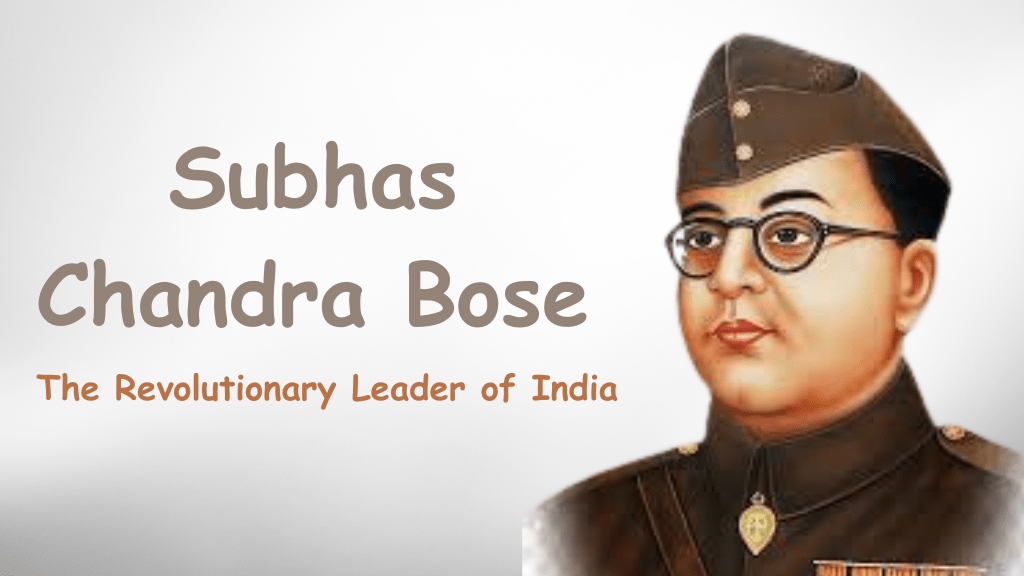
Subhas Chandra Bose was one of the most powerful and influential leaders of India’s freedom struggle. Popularly known as Netaji, he was a brave revolutionary who strongly believed that India should become independent through determination, unity, and strong action against British rule. His fearless personality, leadership qualities, and deep love for the nation made him one of the greatest leaders in Indian history.
Subhas Chandra Bose motivated and inspired millions of Indians with his famous slogan:
“Give me blood, and I will give you freedom.” This powerful message encouraged people to sacrifice and fight for the independence of India.
In this blog, we will discuss who Subhas Chandra Bose was, his life story, biography, history, achievements, famous quotes, death, and his lasting legacy in Indian history.
Who was Subhas Chandra Bose?
Subhas Chandra Bose was a prominent Indian nationalist leader and freedom fighter who played a crucial role in India’s struggle for independence from British rule. He was a strong and determined leader who believed that India should achieve independence as soon as possible, even if it required armed struggle.
While many leaders, including
Mahatma Gandhi, followed the path of non-violence, Subhas Chandra Bose believed that freedom could also be achieved through military action and organized resistance against British rule.
To achieve this goal, he founded the Indian National Army (INA), also known as the Azad Hind Fauj, with the support of foreign countries during World War II. His army aimed to fight the British and free India from colonial rule.
Because of his strong leadership, dedication to the nation, and inspiring personality, people respectfully called him Netaji, which means “Respected Leader.”
Subhas Chandra Bose Born (Birth and Early Life)
Subhas Chandra Bose was born on 23 January 1897 in Cuttack, located in present-day Odisha, India. He was born into a well-educated and respected family. His father, Janakinath Bose, was a successful lawyer, and his mother, Prabhavati Devi, was a religious and caring homemaker.
Basic Information:
- Full Name: Subhas Chandra Bose
- Date of Birth: 23 January 1897
- Place of Birth: Cuttack, Odisha, India
- Father: Janakinath Bose
- Mother: Prabhavati Devi
- Popular Name: Netaji
From a very young age, Subhas Chandra Bose was a brilliant and hardworking student. He completed his early education in Cuttack and later moved to Kolkata for higher education. Subhas Chandra Bose studied at Presidency College before completing his education at Scottish Church College in Kolkata.
After completing his studies in India, he went to England to prepare for the Indian Civil Services (ICS) examination, which was one of the most prestigious and respected jobs under British rule. He successfully passed the exam, but he decided to resign from the job because he did not want to work under the British government. Instead, he chose to serve his country and dedicate his life to India’s independence movement.
Biography of Subhas Chandra Bose
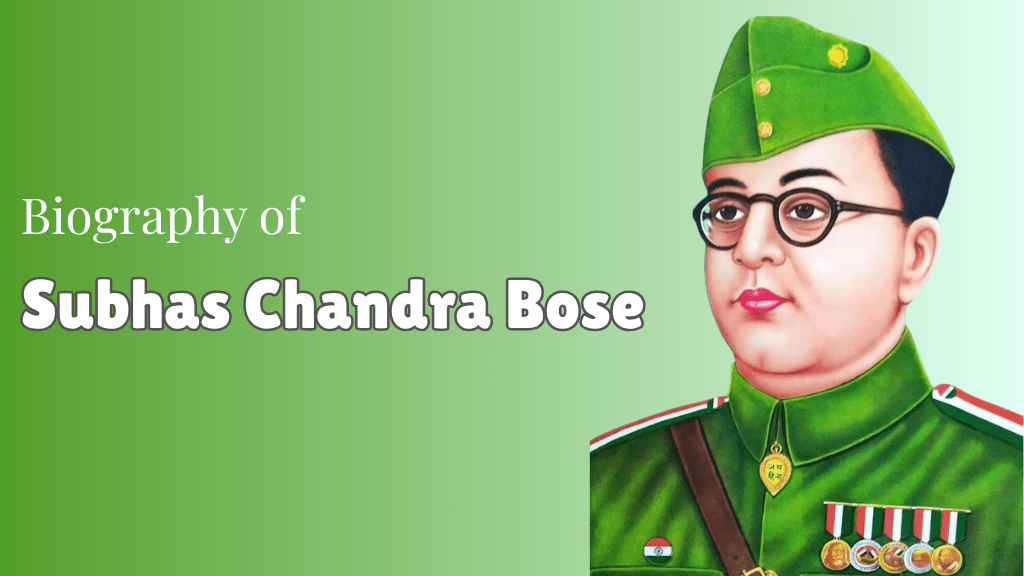
The biography of Subhas Chandra Bose is inspiring and filled with struggles, sacrifices, and strong determination. He joined the Indian freedom movement at a young age and quickly became an important leader in the fight against British rule.
During the independence movement, he worked with prominent leaders like Mahatma Gandhi and Jawaharlal Nehru. However, Subhas Chandra Bose had different views on how India should achieve independence. While many leaders believed in non-violence and peaceful protests, Bose believed that India should be ready to use military power and strong action if necessary to gain freedom.
Because of these differences in ideology, he later formed his own political group called the Forward Bloc and continued his struggle for independence independently.
Subhas Chandra Bose became the President of the Indian National Congress in 1938 and again in 1939. However, due to disagreements with other leaders on political strategies and methods of freedom struggle, he later resigned from the position. Despite this, he continued his mission to free India from British rule and became one of the most influential leaders of the independence movement.
Subhas Chandra Bose History
Subhas Chandra Bose played a significant role in India’s independence movement and its history. He was one of the few leaders who believed that India’s freedom could be achieved through organized military action against British rule.
To fight against the British, he organized the Indian National Army (INA), also known as the Azad Hind Fauj. This military force was created with the aim of defeating British rule and gaining independence for India.
Subhas Chandra Bose traveled to countries such as Germany and Japan to seek international support for India’s independence during World War II. With their support, he strengthened the Indian National Army and continued his mission for independence.
In 1943, he formed the Azad Hind Government (Provisional Government of Free India) and officially declared war against British rule. His army fought bravely in the northeastern regions of India, especially near the borders of India and Burma (Myanmar).
Although India did not gain independence immediately through military action, the efforts of Subhas Chandra Bose and the Azad Hind Fauj significantly weakened British control and inspired millions of Indians to join the freedom movement. His contribution remains one of the most important chapters in Indian history.
The Life of Subhas Chandra Bose
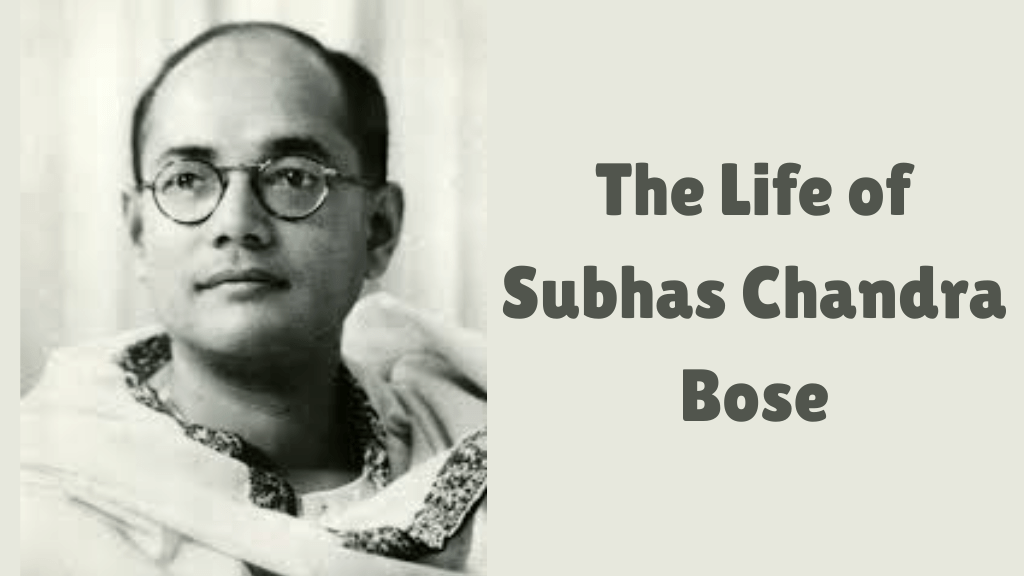
Subhas Chandra Bose was full of challenges, sacrifices, courage, and dedication to the nation. He was deeply committed to India’s Independence and was willing to sacrifice his career, comfort, and even his personal life for the freedom of his country.
He spent many years in prison because of his political activities and opposition to British rule. He was also forced to live in exile for some time, but he never gave up his mission to free India. His life is considered one of the most inspiring stories in Indian history.
Important Events in His Life:
- Passed the Indian Civil Services (ICS) exam but resigned from the job
- Joined the Indian freedom movement
- Became President of the Indian National Congress
- Formed the Forward Bloc Party
- Established the Azad Hind Fauj (Indian National Army)
- Formed the Azad Hind Government
- Led the movement against British rule through military action
Subhas Chandra Bose dedicated his entire life to the freedom of India. His life story gives us valuable lessons about leadership, courage, sacrifice, patriotism, and determination.
Subhas Chandra Bose Works (Works and Contributions)
Subhas Chandra Bose made many important contributions to India’s independence movement. His leadership, political ideas, and military efforts played a significant role in strengthening the freedom struggle against British rule. He worked tirelessly to unite Indians and encourage them to fight for independence.
Major Works and Contributions of Subhas Chandra Bose:
1. Formation of Forward Bloc Party
Subhas Chandra Bose formed the Forward Bloc Party in 1939 after resigning from the Indian National Congress. The main aim of this party was to unite all anti-British forces and continue the struggle for independence with stronger strategies.
2. Leadership of Indian National Army (Azad Hind Fauj)
One of his greatest contributions was leading the Indian National Army (INA), also known as Azad Hind Fauj. This army was formed to fight against British forces and free India from colonial rule.
3. Formation of Azad Hind Government
In 1943, Subhas Chandra Bose founded the Azad Hind Government, also known as the Provisional Government of Free India. This government represented free India and declared war against British rule.
4. International Alliances
He traveled to countries like Germany and Japan to seek international support for India’s independence. These alliances helped him build and strengthen the Indian National Army.
5. Inspired Indian Youth
Subhas Chandra Bose inspired thousands of Indian youth to join the freedom movement and fight for the country’s independence. His speeches and slogans motivated people to sacrifice for the nation.
6. Promoted Unity and Nationalism
He strongly believed in unity among Indians, regardless of religion, caste, or region. He promoted nationalism and encouraged people to work together for the freedom of India.
His contributions played a very important role in India’s independence struggle, and he is remembered as one of the greatest freedom fighters in Indian history.
Subhas Chandra Bose Achievements
Subhas Chandra Bose achieved many important milestones in his life and became one of the most respected and influential leaders in Indian history. His achievements were not only political but also inspirational, as he motivated millions of Indians to fight for independence.
Major Achievements
1. Passed the Indian Civil Services (ICS) Examination
Subhas Chandra Bose successfully passed the Indian Civil Services examination in England, which was one of the most prestigious and difficult exams at that time. However, he resigned from the job to serve the nation and join the freedom movement.
2. Became President of Indian National Congress
He became the President of the Indian National Congress in 1938 and again in 1939, which was a great achievement and showed his popularity and leadership ability.
3. Founded Forward Bloc Party
After resigning from Congress, he founded the Forward Bloc Party to unite people and continue the freedom struggle with stronger political and revolutionary ideas.
4. Established Azad Hind Fauj (Indian National Army)
One of his greatest achievements was the leadership and development of the Indian National Army (Azad Hind Fauj), which fought against British rule.
5. Formed Azad Hind Government
In 1943, he established the Azad Hind Government, which represented an independent India and challenged British authority.
6. Inspired Millions of Indians
Through his speeches, leadership, and revolutionary ideas, he inspired millions of Indians to join the independence movement and fight for freedom.
Because of these achievements, Subhas Chandra Bose is remembered as a symbol of patriotism, courage, leadership, sacrifice, and determination, and he is considered one of the greatest freedom fighters in Indian history.
Also read this:
Alexander Graham Bell: Biography, Inventions, Education, Awards and Interesting Facts
Who Was Jagadish Chandra Bose? His Discoveries and Contributions to Science
C.R. Rao Biography: Discover his legacy, awards, and mathematical accomplishments
Who is Manjul Bhargava: Life, Education, Career, Achievements & Contributions in Mathematics
Famous Quotes of Subhas Chandra Bose
Subhas Chandra Bose gave many powerful and inspirational quotes that continue to motivate people even today. His words reflected his courage, determination, leadership, and deep love for his country. His speeches and quotes played an important role in inspiring Indians during the freedom struggle.
Famous Quotes of Subhas Chandra Bose
- “Give me blood, and I will give you freedom.”
- “Freedom is not given, it is taken.”
- “One individual may die for an idea, but that idea will live forever.”
- “No real change in history has ever been achieved by discussions.”
- “Life loses half its interest if there is no struggle.”
These quotes reflect his determination, bravery, leadership, and deep love for the country. His words still motivate people to work hard, reach their goals, and remain strong during tough times.
Death and Legacy of Subhas Chandra Bose
The death of Subhas Chandra Bose is still one of the biggest mysteries in Indian history. According to official reports, he reportedly died on 18 August 1945 in a plane crash in Taiwan. However, many people and historians believe that the truth about his death is still unknown, and the mystery remains unsolved even today.
Even after his death, Subhas Chandra Bose’s legacy continues to inspire millions of Indians. He is remembered as one of the bravest and most dedicated freedom fighters in Indian history. His bravery, leadership skills, and deep love for the nation made him a true national hero.
Legacy of Subhas Chandra Bose
- Netaji Subhas Chandra Bose International Airport in Kolkata is named in his honor
- Many statues and memorials have been built across India
- Netaji Jayanti is celebrated every year on 23 January
- He remains an inspiration for youth, soldiers, and leaders
- He is remembered as a symbol of patriotism, courage, and sacrifice
Subhas Chandra Bose’s contribution to India’s independence was immense, and his name will always be remembered with pride and respect in Indian history.
Conclusion
Subhas Chandra Bose was one of the greatest and most influential freedom fighters in Indian history. His life was a powerful example of sacrifice, courage, leadership, and patriotism. He dedicated his entire life to the freedom of India and inspired millions of people to join the independence movement and fight against British rule.
Through his leadership of the Indian National Army, his formation of the Azad Hind Government, and his powerful speeches and ideas, Subhas Chandra Bose played a very important role in India’s struggle for independence. His determination and fearless attitude made him one of the most respected leaders of the freedom movement.
Even today, Netaji Subhas Chandra Bose remains a symbol of nationalism, bravery, leadership, and sacrifice. His life continues to inspire students, leaders, and citizens of India. His name will always be remembered with pride and respect in Indian history, and his contribution to India’s independence will never be forgotten.